A Common Question From Older Neighborhoods
We get this question most often from homeowners in Largo and similar Pinellas County neighborhoods built during the 1950s through 1970s population boom, when cast iron was the standard material for residential sewer lines. If your home falls into that era, this is worth understanding before a backup forces the question.
Cast Iron Was The Industry Standard
Cast iron pipe was the standard choice for residential sewer lines for most of the 20th century because it was durable, widely available, and well understood by builders of that era. It wasn't a poor choice at the time, it's simply reaching the end of its practical service life across many homes built in the same narrow construction window.
Corrosion From The Inside Out
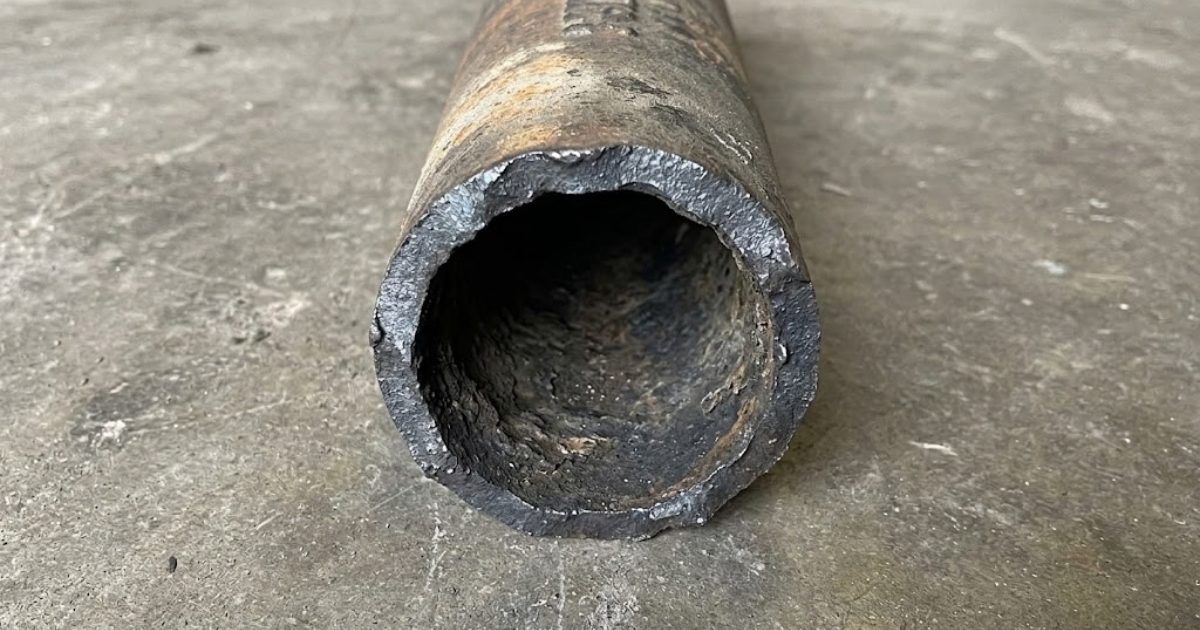
Cast iron corrodes from the inside, where wastewater and gases interact with the pipe wall over decades. That corrosion roughens the interior surface, which then catches debris and grease more easily, accelerating clogs even before the pipe itself actually fails structurally.
The Other Major Failure Mode
As cast iron ages, joints and small cracks develop, and tree roots are extremely effective at finding and exploiting them in search of moisture. Once roots get a foothold inside a line, they expand the crack further, which is why root intrusion and pipe age are so closely linked in older neighborhoods with mature trees.
What To Watch For Before A Backup
Recurring clogs in the same drain, gurgling sounds from multiple fixtures, slow drainage across the house rather than just one sink, and sewage odor in the yard are all signs worth taking seriously in a home with original cast iron. A camera inspection is the only way to confirm the pipe's actual condition rather than guessing from symptoms alone.
Full Line Replacement vs. Spot Repair
If a camera inspection shows isolated damage, a spot repair may be enough. If corrosion and root intrusion are widespread across the line's length, which is common once a cast iron line starts failing, full replacement is usually the more honest long-term recommendation, even though it costs more upfront than another temporary fix.
Replacement Without Full Excavation
Modern trenchless techniques, like pipe bursting or lining an existing pipe from the inside, can replace a failing cast iron line without digging up an entire yard. These methods aren't right for every situation, particularly if the pipe has already collapsed in sections, but they're worth discussing before assuming full excavation is the only path forward.
What Coverage Typically Does And Doesn't Include
Standard homeowners insurance often covers sudden, accidental pipe failure but typically excludes gradual wear and deterioration, which describes most cast iron failures. That distinction matters when planning for the cost of a replacement, and it's worth reviewing your specific policy language rather than assuming coverage either way.
Proactive Vs. Reactive Decisions
Some homeowners choose to replace an aging cast iron line proactively once a camera inspection shows significant deterioration, even before a full failure occurs. Others wait until a backup forces the issue. Acting proactively is generally less disruptive and less costly than an emergency replacement after a collapse, though both are legitimate approaches depending on your risk tolerance and budget timing.
Why Buyers And Inspectors Ask About This
A home inspector in an established Pinellas County neighborhood will often specifically note the sewer line material and condition, since buyers increasingly ask about it given how well-known this issue has become locally. Addressing a failing line before listing a home can prevent it from becoming a negotiating point during a sale.
The Short Version If You're Skimming
Cast iron was standard for decades, it corrodes from the inside and cracks at joints where roots can enter, and a camera inspection is the only reliable way to know whether your specific line needs a spot repair or a full replacement. Age alone isn't a diagnosis, but it's a reasonable prompt to actually check.
How To Find Out
County property records, often searchable online, list the original construction year for most homes and are a quick way to check whether your house falls into the era where cast iron is common, before deciding whether an inspection is worth scheduling.
Common Questions
Homes built roughly 1950s through 1970s in this area commonly do. A camera inspection confirms the material and condition definitively.
Sometimes, if damage is isolated to one section. Widespread corrosion or multiple root intrusion points usually make full replacement the more honest recommendation.
Not always. A line that has already partially collapsed usually needs traditional excavation, but many aging lines are still good candidates for trenchless methods.
It's a reasonable choice once a camera inspection shows significant deterioration, since a proactive replacement is generally less disruptive than an emergency one after a collapse.
Yes, an inspection is a standalone service that gives you real information to plan with, whether or not you decide to act on it right away.
Often yes, if homes on your street were built around the same time by the same developer, which is common in postwar Pinellas County neighborhoods.
No, it's done through existing cleanouts or fixtures and doesn't require any digging or access work by itself.
It's uncommon but possible, which is why proactive inspection matters more than waiting for symptoms in a home known to have this pipe material.
It's generally a modest, standalone cost compared to any repair, and it's the only way to move from guessing about pipe condition to actually knowing it.
Yes, and we're happy to share it with you for your own records or for an insurance claim if needed.
Related Services
An aging cast iron line doesn't fail without warning. Catching the signs early is almost always cheaper than waiting for a full backup.