This Isn't Generic Advice
Every year, the City of Clearwater's Building Department publishes hurricane-season guidance that specifically covers plumbing, securing outdoor fixtures and checking sump pumps before a storm arrives. That's a real, recurring local requirement, not a generic seasonal blog topic, and it's worth taking seriously before storm season is already underway. Most of what follows takes an afternoon and costs little to nothing, which makes it one of the better returns on time you'll get all year.
Test Your Sump Pump Before You Need It
If your home has a sump pump, run it manually before hurricane season starts. Pour a bucket of water into the pit and confirm it activates and drains properly. A pump that fails during a storm, when you can't easily get a technician out, is a preventable problem.
Secure Outdoor Plumbing Fixtures
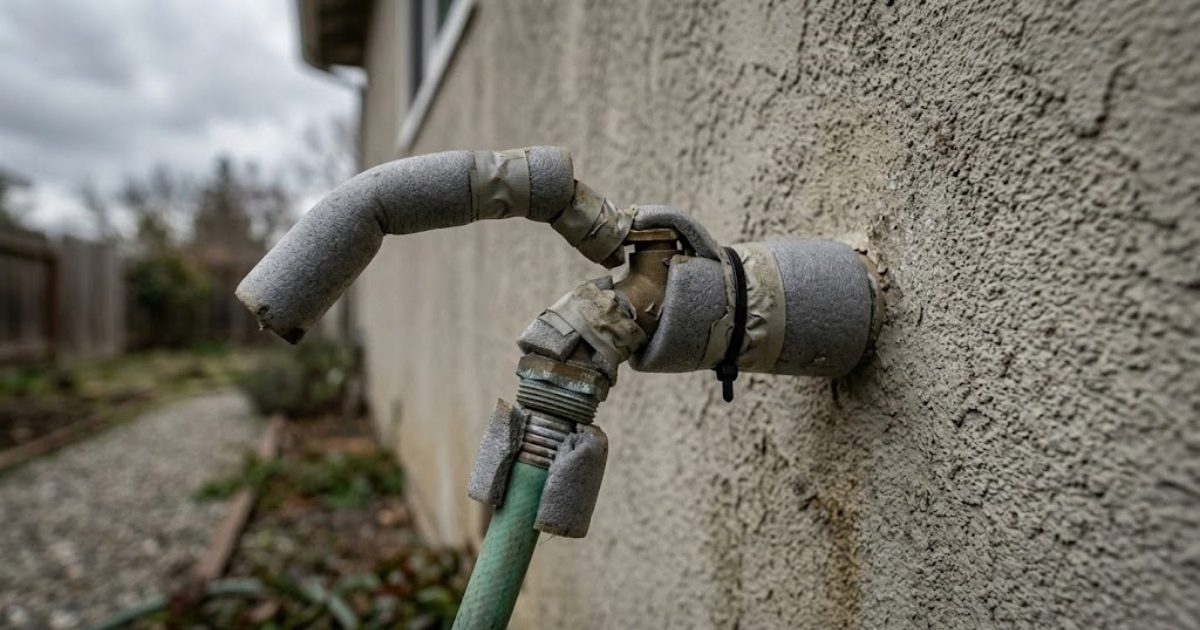
Outdoor spigots, hose bibs, and any exposed piping should be checked for loose fittings before storm season. Wind-driven debris and flying branches can snap an exposed pipe that would otherwise hold up fine under normal conditions.
Know Your Main Shutoff Location
Every homeowner should know exactly where their main water shutoff valve is before an emergency, not during one. If a pipe bursts during or after a storm, being able to shut off water immediately can be the difference between a minor repair and serious water damage.
Check Your Water Heater's Strapping
Florida code requires water heaters to be strapped to resist movement during high winds or minor seismic activity. If you're not sure your unit is properly secured, it's worth a quick check before storm season, not after wind has already been an issue.
What To Check Once It Passes
After a storm passes, check for any new dampness around fixtures, unusual water pressure changes, or discoloration in tap water, all of which can indicate storm-related plumbing damage that isn't obvious at first glance.
Don't Forget Backflow Preventers
If your home has an irrigation system, its backflow preventer is another point worth checking before storm season. These devices sit exposed above ground specifically so they can be inspected, but that also makes them vulnerable to wind-driven debris, and a damaged one can affect both your sprinkler system and, in some cases, your home's water supply.
If You're Running A Generator During Outages
Some homeowners run well pumps or sump pumps off a generator during extended power outages after a storm. If that applies to you, confirm the generator setup actually works with your specific pump before the emergency arrives, not during it, since compatibility issues are much easier to solve with time to spare.
What's Worth Having On Hand
A few basic supplies, pipe repair tape, a spare wax ring, and a way to shut off water at individual fixtures, are worth keeping on hand before storm season rather than searching for them during an active emergency. None of it is expensive, and having it ready removes one more variable during an already stressful situation.
What If You Don't Own The Home
Renters can still test a sump pump if one exists and report a non-functioning unit to a landlord well before storm season rather than during an active warning. Documenting the report in writing protects you if water damage occurs afterward and the pump turns out to have already been reported as faulty.
The Short Version If You're Skimming
Test your sump pump, secure outdoor fixtures, know your main shutoff location, and confirm your water heater is properly strapped, all before storm season actually arrives. None of it takes long, and all of it is far easier to do calmly in advance than during an active warning.
Making This An Annual Habit
Since hurricane season arrives on roughly the same calendar window every year, setting a recurring reminder for early June, before the season typically ramps up, turns this checklist into a habit rather than something you remember only after a storm is already approaching.
A Small Community Habit Worth Building
In established neighborhoods, checking in with an elderly or traveling neighbor about their sump pump and outdoor fixtures before a storm is a small gesture that can prevent a genuinely bad outcome, since not everyone is physically able to do these checks themselves every year.
Common Questions
Yes, a sump pump that sat unused for a year can fail silently, and hurricane season is exactly when you'll need it most.
Shut off water at the main if there's an active leak, and call us. If flooring or drywall has already been damaged, our water damage restoration line handles that specifically.
Yes, a quiet season doesn't mean your fixtures and pump held up fine, it just means they weren't tested. Checking every year regardless of the previous season's activity is the only reliable approach.
Most of this checklist is genuinely DIY-friendly. Call a professional if you find an issue during your check, like a sump pump that won't activate, rather than trying to repair it yourself under time pressure.
Late spring, just before hurricane season officially begins, is a reasonable time so any issues found have time to be fixed before storms typically arrive.
Testing the sump pump, if you have one, since a failed pump during an actual storm is one of the more preventable causes of serious water damage.
It depends on the specific cause and your policy, flood damage and wind damage are often handled differently, so it's worth reviewing your coverage before storm season.
Yes, having a trusted number ready means one less thing to figure out during an actual emergency.
Related Services
None of this takes more than an afternoon, and doing it before hurricane season starts is far easier than dealing with a plumbing failure during or after a storm. Treat it the same way you'd treat checking smoke detector batteries, a small routine that pays off exactly when you need it to, and one that keeps your home consistent with Florida Building Code plumbing standards year-round.