The Rare Exception Worth Preparing For
Clearwater rarely sees freezing temperatures, but the occasional cold snap does happen, and Florida homes are built for a climate that almost never freezes, which means exposed pipe here is more vulnerable during a rare freeze than the same pipe would be in a climate built to expect it.
Homes Aren't Built For This
Homes in consistently cold climates run water lines deep in insulated walls and below frost lines by design. Florida homes, built for a climate that rarely freezes, often have supply lines running through uninsulated exterior walls, garages, or exposed outdoor locations, which is fine almost every year and a real risk during the rare hard freeze.
The Most Vulnerable Points
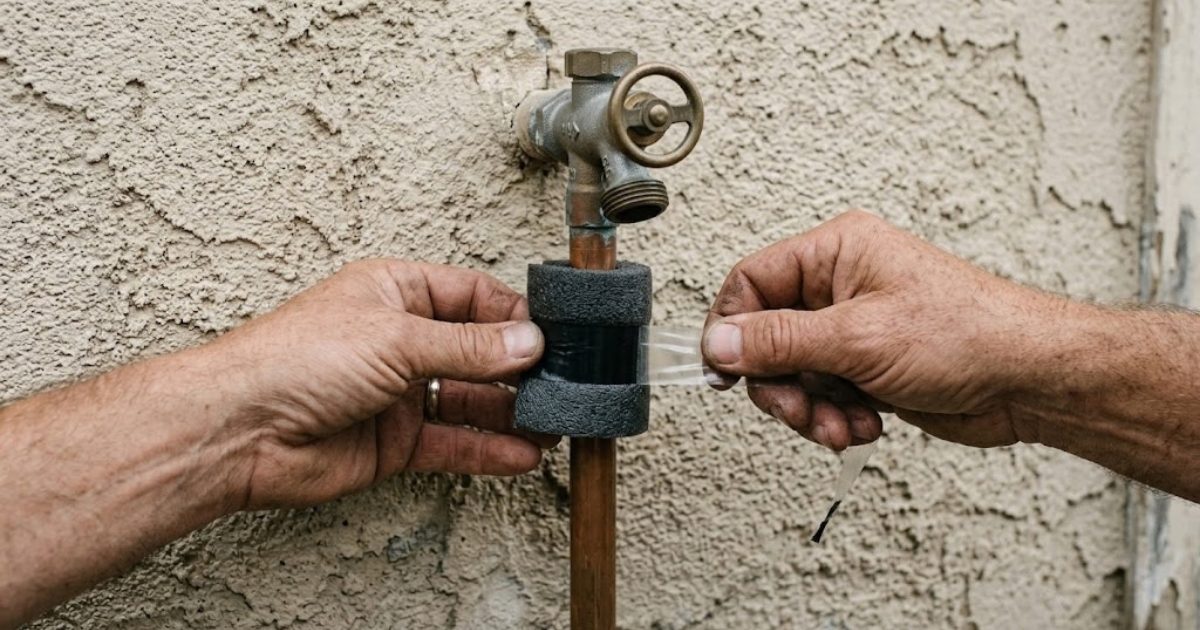
Hose bibs, irrigation backflow preventers, and any exposed outdoor piping are the first things at risk during a freeze warning. Disconnecting hoses, covering exposed spigots with an insulated cover, and letting exterior faucets drip slightly during a hard freeze warning are all real, effective steps.
Cabinet Doors And Faucet Drips
For pipes running through exterior walls, particularly under kitchen and bathroom sinks, opening cabinet doors during a freeze warning lets warmer indoor air reach the pipe. A slow drip from an affected faucet keeps water moving, which meaningfully reduces freeze risk compared to fully static water sitting in a pipe.
What To Do Before It Bursts
If a pipe is frozen but hasn't burst, shutting off the main water supply and gently warming the affected section, never with an open flame, gives the best chance of avoiding a burst. If water is already leaking or spraying, shut off the main immediately and call for emergency service rather than waiting.
Check Before You Assume Everything's Fine
Once temperatures rise, check exposed pipes for cracks even if nothing burst outright, since a hairline crack from freezing can leak slowly for days before becoming obvious. It's worth a quick visual check rather than assuming a freeze passed without any effect.
Backflow Preventers Need Attention Too
Above-ground backflow preventers on irrigation systems are particularly vulnerable during a hard freeze, since they're specifically designed to sit exposed for inspection access. Wrapping or insulating an exposed backflow preventer during a freeze warning is a small step that can prevent a costly repair.
Another Commonly Forgotten Risk
Pool pumps, filters, and exposed pool plumbing are also vulnerable during a rare freeze, since they're built for a climate that almost never requires freeze protection. Running the pump continuously during a hard freeze warning keeps water moving through the system, which meaningfully reduces the risk of a cracked pump housing or filter.
A Higher-Risk Category Worth Naming
Mobile and manufactured homes often have supply lines running through unenclosed underbelly space with minimal insulation, making them meaningfully more vulnerable during a freeze than a standard slab-built home. If you live in one, freeze prep is worth taking more seriously than the general advice above suggests for typical construction.
Where To Check For Official Freeze Warnings
The National Weather Service issues freeze warnings with enough lead time to complete basic prep in most cases. Signing up for local weather alerts is a simple way to make sure you're not caught off guard by a freeze warning issued while you're not actively checking the forecast.
A Special Case Worth Planning For
If you travel during winter months, a vacant home during a freeze is at higher risk since no one is there to notice early warning signs like a dripping faucet left unattended or a cabinet door left open. Asking a neighbor or property manager to check on the home during a hard freeze warning is worth arranging in advance.
The Short Version If You're Skimming
Florida homes are built for a climate that rarely freezes, which makes exposed pipe more vulnerable during the rare cold snap than the same pipe would be in a colder climate. Disconnecting hoses, opening cabinet doors, and letting faucets drip during a hard freeze warning are the highest-value, lowest-effort steps.
What To Arrange Before You Leave
If a freeze warning is issued while you're out of town, having someone you trust check the thermostat setting and confirm heat is running, and glance at exposed outdoor fixtures, is worth arranging ahead of time rather than hoping for the best from a distance.
Common Questions
Sustained temperatures at or below freezing for several hours put exposed pipe genuinely at risk, even if it's a rare event for this area.
For exposed outdoor pipe and vulnerable exterior-wall runs, yes, it's inexpensive relative to the cost of a burst pipe and resulting water damage.
Yes, keeping water moving through pool equipment during a hard freeze meaningfully lowers the risk of cracked housings or filters.
Yes, generally. Underbelly plumbing on mobile and manufactured homes is often less insulated than a standard slab-built home's supply lines.
Typically at least a day, sometimes more, which is generally enough time to complete the basic prep steps described here.
If overnight lows are forecast near or below freezing for several hours, it's worth taking basic precautions even without a formal warning issued.
Yes, targeted insulation on the most exposed sections captures most of the benefit without needing to insulate every foot of exterior pipe.
Overnight is the higher-risk window, since temperatures typically bottom out well after sunset and before sunrise.
Not directly to plumbing, though it's a good reminder that a home's systems all get stressed a bit differently during unusual weather.
Related Services
A hard freeze is rare here, but a little preparation before the rare cold snap arrives is far easier than dealing with a burst pipe afterward.