Not Every Old Pipe Needs Replacing
Repiping is one of the bigger plumbing decisions a homeowner can make, and it's not always necessary even in an older home. Here's what actually goes into the decision and the process itself, from a local perspective rather than a generic national overview.
Beyond Just The Home's Age
Discolored water, especially a rusty or brown tint, frequent pinhole leaks in different locations, and noticeably low water pressure across multiple fixtures are stronger indicators than age alone. A home can be decades old with perfectly serviceable pipe, or relatively younger with a specific bad batch of pipe material that's already failing.
What You Might Actually Have
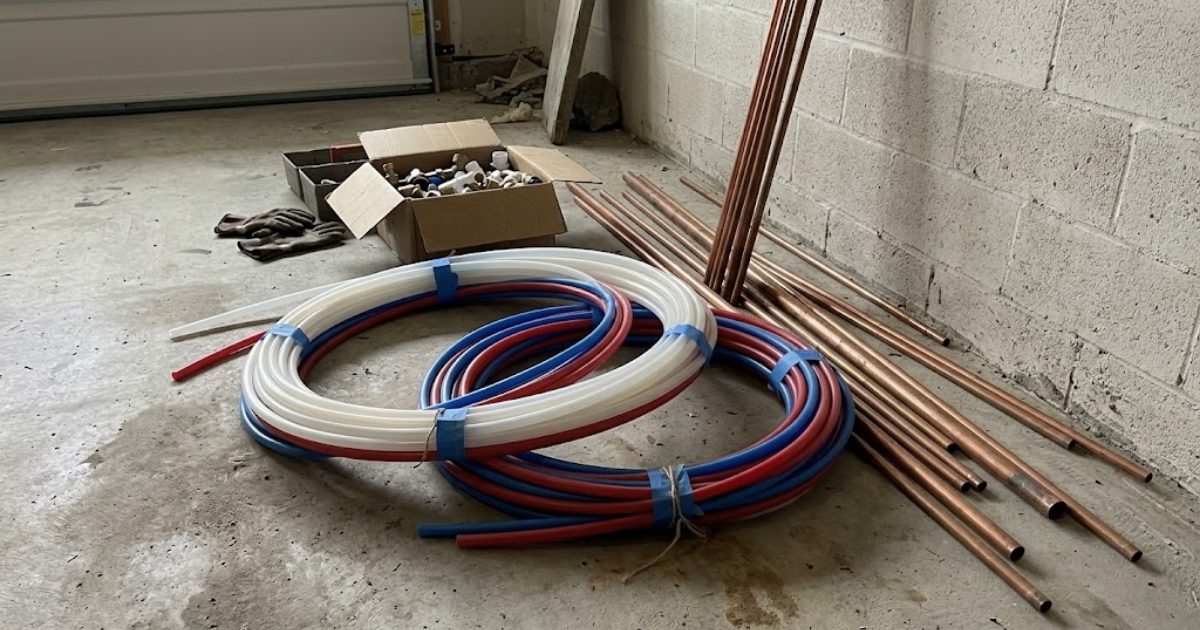
Older Florida homes commonly have galvanized steel or, in some cases, polybutylene supply lines, both of which have well-documented failure patterns after enough decades in service. Copper and modern PEX are the common replacement materials, each with different cost and installation tradeoffs.
It's Not Always All-Or-Nothing
A full repipe replaces every supply line in the home. A partial repipe addresses only the sections showing actual failure or corrosion. The right call depends on how widespread the problem actually is, something a real inspection determines rather than an assumption based on the home's age alone.
Access Points, Not Full Demolition
Modern repiping techniques use targeted access points rather than opening every wall in the home. Most residential repipes are completed in a matter of days, not weeks, with drywall patching handled as part of the process rather than left for the homeowner to figure out separately.
Weighing It Against Repeated Repairs
If a home is experiencing recurring pipe failures in different locations, the cumulative cost of repeated individual repairs, plus any water damage from each failure, often outweighs the cost of addressing the underlying pipe material once. That's a judgment call worth making with real information, not a sales pitch.
Waiting For Failure Vs. Acting Proactively
Some homeowners wait until a pipe actually fails before considering a repipe, while others act proactively once they learn their home has a pipe material with a known failure pattern, like polybutylene. Both are reasonable approaches, but proactive replacement avoids the water damage risk that comes with waiting for an actual failure.
Faucets And Valves During A Repipe
Most repiping projects replace supply lines up to existing fixture shutoff valves, leaving faucets, showerheads, and other visible fixtures untouched unless they're also being replaced separately. That keeps the project focused on the actual pipe material rather than turning into a full bathroom renovation unless you want it to.
Why Some Homeowners Notice A Difference
Some homeowners notice improved water pressure and clarity after a repipe, simply because new pipe hasn't accumulated decades of internal scale and corrosion the way the old material had. It's a genuine, if secondary, benefit beyond just eliminating the leak risk.
Timing A Repipe Around Other Work
If you're already planning a kitchen or bathroom renovation that opens up walls, coordinating a repipe with that timeline can reduce total disruption and drywall work compared to doing each project separately. It's worth mentioning a planned renovation when discussing repipe timing for exactly this reason.
The Short Version If You're Skimming
Discolored water, recurring pinhole leaks, and low pressure across multiple fixtures are stronger repipe signals than age alone, and modern techniques use targeted access points rather than opening every wall, usually finishing in just a few days.
Why We Don't Push A Repipe By Default
We don't recommend a full repipe just because a home is old. If a partial repair genuinely solves the actual problem, we'll say so, even though a full repipe is a larger job. That honesty is worth more to us than steering every older home toward the bigger recommendation.
Why It's Worth Discussing Before A Crisis
Homeowners who bring up pipe material and age proactively, rather than waiting for a failure, generally have more time and better options for scheduling a repipe on their own terms rather than reacting to an emergency.
Common Questions
Most residential repipes are completed in 2 to 4 days depending on home size, with drywall patching following shortly after.
In most cases yes, though water will be shut off for portions of each day while work is in progress.
It has a well-documented history of failure from the inside out, often without warning, which is why many homeowners with it choose to replace proactively rather than wait.
Often yes, since new pipe hasn't accumulated the decades of internal scale and corrosion that reduce flow in older lines.
Yes, typically, and a licensed contractor pulling that permit protects you if any question comes up at resale or with insurance later.
Yes, though it's often more efficient to address the full scope in one project if you already suspect the rest of the system will need attention soon.
It can be a positive point with buyers and inspectors, particularly if the home previously had a pipe material known for problems, like polybutylene.
Yes, a targeted partial repipe is reasonable when failure is genuinely isolated to one area rather than spread throughout the home's plumbing.
Water is off for portions of each day, but most households find it manageable to work around for the few days a typical project takes.
No, most homeowners stay in the home throughout, working around scheduled water shutoff windows each day.
Not automatically, though it's a reasonable time to evaluate the water heater's condition while other plumbing is already being addressed.
Just clearing access to work areas like under sinks and utility closets is genuinely all that's needed from you beforehand.
Related Services
A repipe is a real, sometimes necessary decision, but it should follow an honest inspection, not an assumption based on your home's age alone, and it should always be permitted and completed to Florida Building Code plumbing standards.
Dealing With Recurring Pipe Failures?
Call for an honest assessment of your actual options.
☎ Call (727) 931-8107