The Number Everyone Quotes Isn't The Whole Story
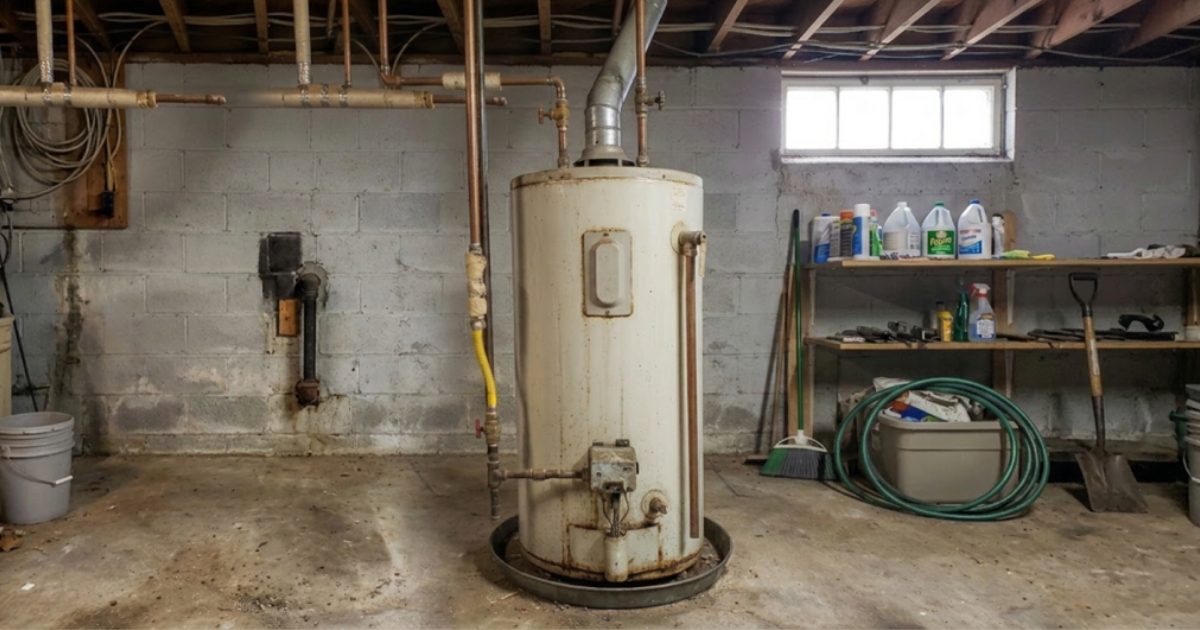
Water heater manufacturers often quote a 10 to 15 year expected lifespan, and that number holds up reasonably well in a lot of the country. In Florida, and specifically in Gulf Coast markets like Clearwater, units frequently fail on the earlier end of that range, sometimes before it. The reason isn't really about heat or humidity.
It's The Water, Not The Climate
The dominant factor shortening water heater lifespan here is hard water, not ambient temperature or humidity. Mineral-rich groundwater deposits scale inside the tank and on the heating element, forcing the unit to work harder to reach the same temperature and accelerating internal wear.
A Slow, Invisible Process
Sediment settles at the bottom of a tank water heater over months and years, insulating the lower section from the heat source and creating hot spots that stress the tank material. By the time popping or rumbling noises are audible, that buildup has usually been accumulating for a while already.
The Sacrificial Part Most People Forget
Every tank water heater has a sacrificial anode rod designed to corrode instead of the tank itself. In harder water, that rod depletes faster, and once it's fully consumed, the tank itself starts corroding directly. Checking and replacing the anode rod periodically is one of the most overlooked maintenance steps that genuinely extends tank life.
Softening And Flushing, Together
Pairing a water heater with a whole-home softener dramatically slows scale accumulation. Periodic tank flushing, draining and clearing sediment before it accumulates heavily, is the other half of the equation, and it's a service most homeowners simply never schedule until something already feels wrong.
Knowing When To Stop Repairing
A unit with heavy sediment buildup, a failed anode rod, and a tank already 8 or more years old is often better replaced than repeatedly repaired. We'll tell you honestly when that point has been reached rather than continuing to patch a unit on borrowed time.
Why Maintenance Affects Coverage Too
Many manufacturer warranties require documented periodic maintenance, like anode rod checks, to remain fully valid. Skipping maintenance doesn't just shorten a unit's practical lifespan, it can also affect whether a manufacturer honors a warranty claim if the tank fails early.
What To Actually Look For
A sulfur or rotten-egg smell in hot water, particularly if it's not present in cold water, is a classic sign of a depleted anode rod reacting with certain water chemistries. It's worth mentioning to a technician even if the unit otherwise seems to be working fine.
A Small, Often Overlooked Upgrade
Wrapping an older tank unit in an insulating blanket reduces heat loss and can modestly extend the interval between when a unit starts struggling and when it fully fails, though it's a supplement to good maintenance, not a substitute for addressing hard water and sediment directly.
Why The National Average Doesn't Apply Evenly
A water heater lasting 15 years in a soft-water Midwest home and one lasting 8 years in an unmaintained Gulf Coast home aren't really the same product experiencing different luck, they're the same product experiencing genuinely different water chemistry and maintenance history. That distinction matters when evaluating whether a shorter lifespan here reflects a bad unit or just untreated hard water.
Are They Worth It Here
An extended warranty can make more sense in a hard water market like this one, where earlier failure is more common than the manufacturer's base warranty period might assume. It's worth reading the fine print on what maintenance the warranty actually requires you to document, since skipping it can void coverage even with an extended plan.
Common Questions
It avoids sediment buildup specifically, but still requires periodic descaling of its heat exchanger in a hard water market like this one.
Roughly once a year in a hard water area like Clearwater, more if you're not paired with a softener.
It's often a sign of a depleted anode rod reacting with sediment in the tank, worth having checked before the tank itself starts corroding.
Usually not. It's more often a reflection of untreated hard water and skipped maintenance than a defective unit.
Often yes, given how much earlier units can fail here without maintenance, though it's worth reading what documentation the warranty actually requires to stay valid.
Sometimes, with a flush and anode rod replacement, if damage isn't too advanced. We'll tell you honestly whether that's still a realistic option or whether replacement makes more sense at that point.
A little operational noise is normal, but rumbling or popping specifically points to sediment buildup worth addressing rather than ignoring.
It's a task some homeowners do themselves, but a professional flush also includes a broader check of the anode rod and overall tank condition.
The specific failure mode differs, sediment buildup versus heat-exchanger scaling, but both genuinely benefit from softened water and regular maintenance in this market.
Not necessarily, a flush and inspection can sometimes still meaningfully extend a neglected unit's remaining life, though results vary by how far along the wear already is.
It plays a role, but water chemistry and maintenance still matter more than brand alone in explaining why units fail earlier in this specific market.
A technician can give a reasonable estimate based on age, sediment level, and anode rod condition, though it's always an estimate rather than a guarantee.
Related Services
A shorter lifespan here isn't inevitable, it's mostly a water chemistry problem with a well-understood fix, and every replacement we install still meets Florida Building Code plumbing standards regardless of the unit's age at failure.
Water Heater Acting Up Early?
Call for an honest inspection before assuming replacement.
☎ Call (727) 931-8107